
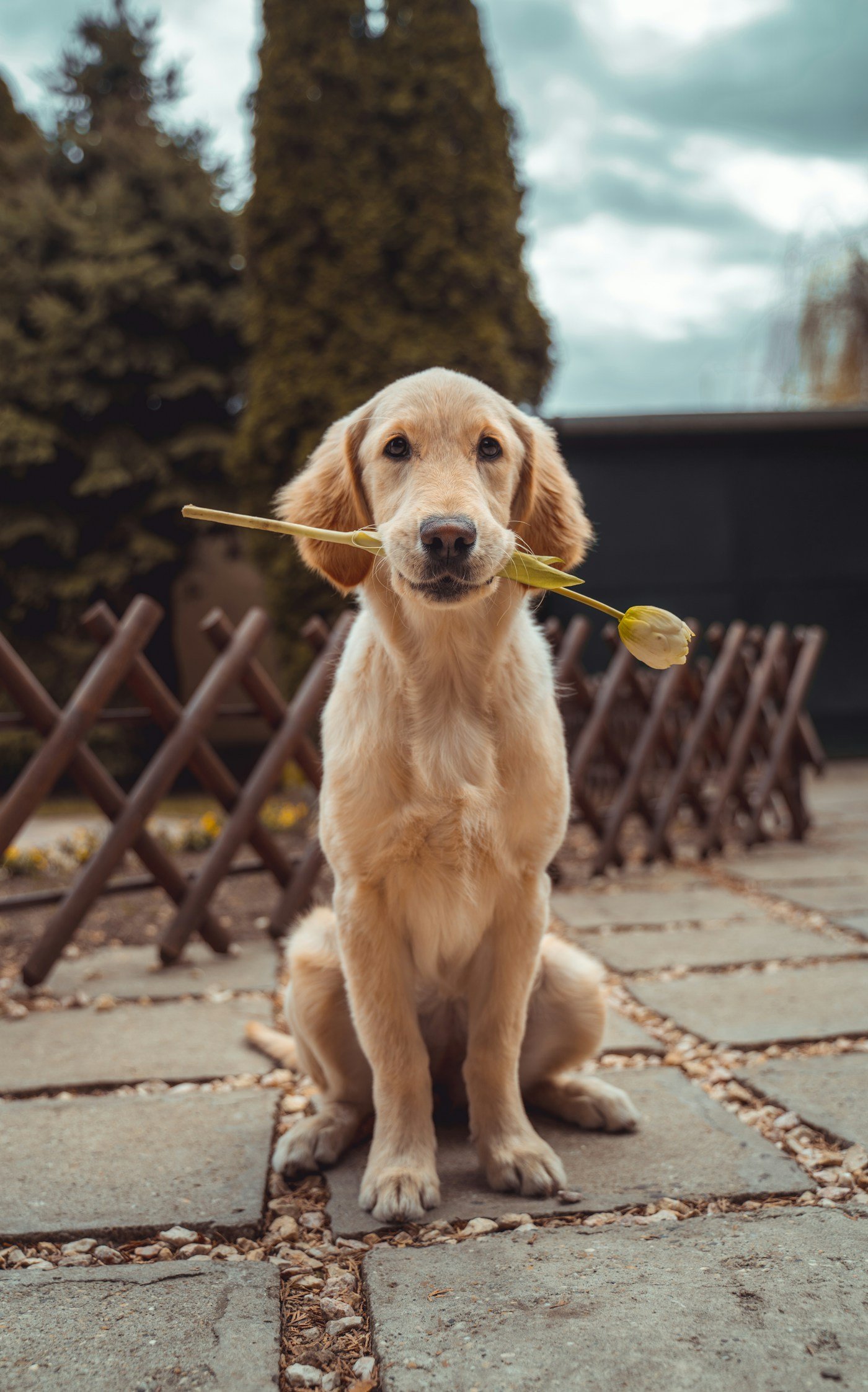
Start somewhere quiet
Practise indoors or in a low-distraction area with a comfortable, well-fitted harness or collar and a standard lead. Bring small rewards your dog enjoys and begin when your dog is calm enough to learn.
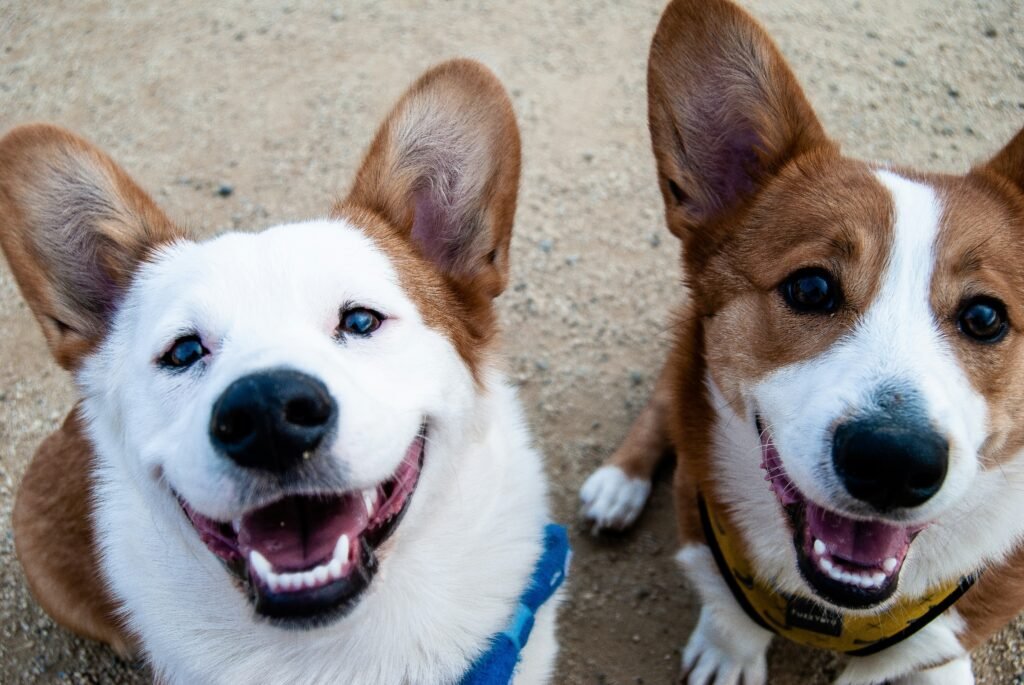
Reward the position you want
When your dog walks near you with a loose lead, mark the moment with a consistent word such as “yes” and offer a treat. Reward frequently at first so your dog learns where walking is worthwhile.
Pause when the lead tightens
If your dog pulls, stop safely and wait for slack or invite your dog back toward you. Then continue. Avoid jerking the lead; calm, consistent feedback is clearer and safer.
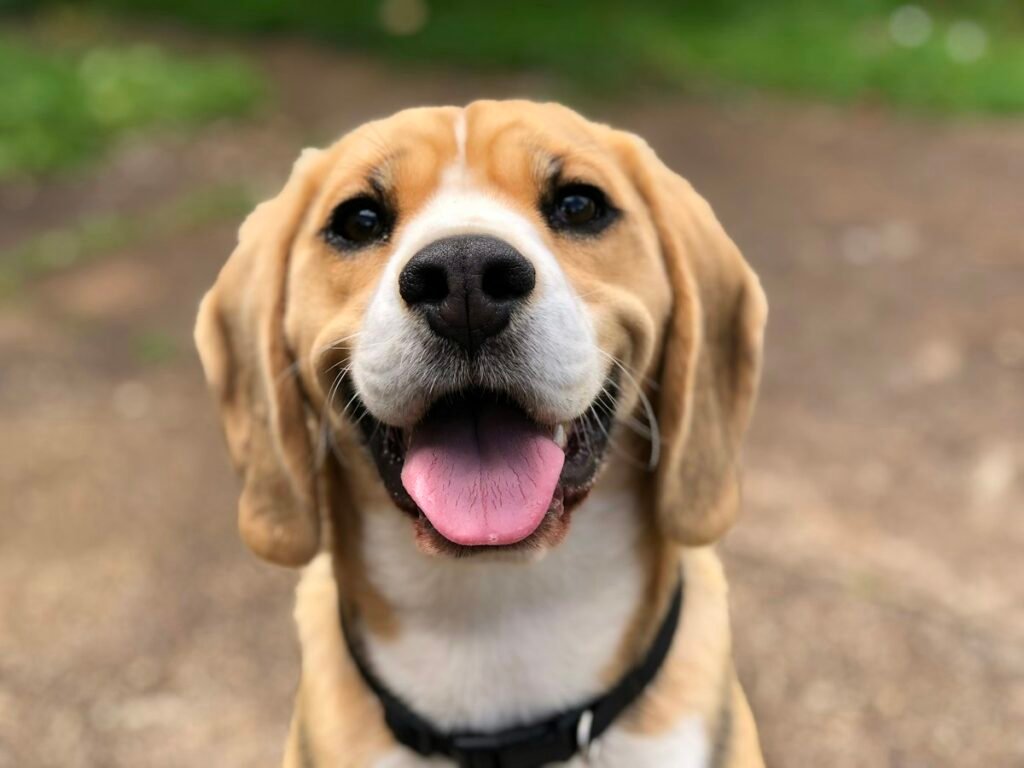
Practise around distractions gradually
Increase the challenge in small steps: a quiet path, then a slightly busier area. If your dog cannot focus, move farther from the distraction and reward attention before trying again.
Keep walks realistic
Training walks may be shorter than normal exercise walks. Allow sniffing breaks and celebrate progress. For strong pulling, fear or reactivity, a qualified reward-based trainer can help build a tailored plan.
Final thoughts
Loose-lead walking is a skill that develops with repetition. Be patient, reward the behaviour you want and prioritise safety over distance.
