


Blog title
Choosing the right pet food for your dog can feel overwhelming. Walk into any pet store or search online, and you will find countless options claiming to be healthy, nutritious, natural, or specially formulated. But how do you know which food is actually right for your dog?
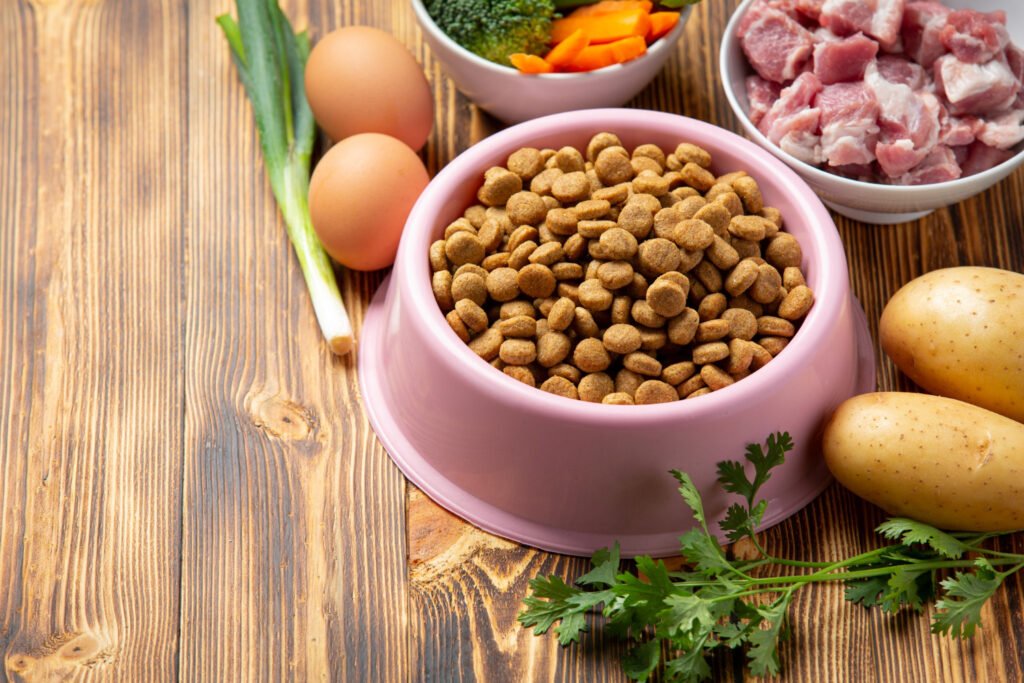
How to Choose the Best Pet Food for Your Dog: A Complete Guide
Choosing the right pet food for your dog can feel overwhelming. Walk into any pet store or search online, and you will find countless options claiming to be healthy, nutritious, natural, or specially formulated. But how do you know which food is actually right for your dog? The answer depends on several factors, including your dog’s age, size, breed, activity level, health needs, and individual preferences. A food that works well for one dog may not be the best choice for another. In this guide, we’ll cover the important things you should consider when choosing the best pet food for your dog, so you can make a more informed decision for your furry companion. 1. Consider Your Dog’s Age and Life Stage One of the first things to consider is your dog’s age. Dogs have different nutritional requirements throughout their lives. Puppies need food that supports rapid growth and development. Puppy food generally contains appropriate levels of protein, calories, fats, vitamins, and minerals to support developing bones and muscles. Adult dogs need a balanced diet that helps maintain their weight, energy levels, muscles, and overall health. The right amount of food will depend on their size and activity level. Senior dogs may have different nutritional requirements. Depending on their individual needs, they may benefit from food designed to support healthy weight management, joints, digestion, and overall wellbeing. Always choose food that is appropriate for your dog’s current life stage rather than simply choosing a product because it has good reviews. 2. Look at the Ingredients Reading the ingredient list is one of the most useful habits you can develop as a pet parent. Ingredients are generally listed by weight, with ingredients present in larger quantities appearing earlier on the list. Look for a food that provides appropriate sources of animal or plant-based protein, depending on the formulation. Common ingredients may include chicken, lamb, fish, beef, rice, oats, vegetables, and other nutrient sources. However, don’t judge a food only by whether you recognize every ingredient. Dogs require a balanced combination of nutrients, and a professionally formulated diet can contain ingredients that may sound unfamiliar but still have an important nutritional purpose. If your dog has a known food sensitivity or allergy, pay particular attention to the ingredients and speak with your veterinarian before making a dietary change. 3. Choose Food According to Your Dog’s Size and Activity Level A small indoor dog and a highly active working dog don’t necessarily have the same nutritional requirements. Dogs that exercise frequently may require more calories and nutrients to support their energy expenditure. Dogs with a less active lifestyle may need fewer calories to help maintain a healthy weight. Many pet food brands offer formulas specifically designed for small, medium, or large breeds. These products may also differ in kibble size and nutritional composition. Your dog’s body condition is also important. If your dog is gaining or losing weight unexpectedly, don’t simply change the food without understanding the underlying reason. Consult your veterinarian for guidance. 4. Dry Food vs Wet Food Another common decision is whether to choose dry dog food, wet food, or a combination of both. Dry food is convenient, easy to store, and generally simple to portion. The crunchy texture can also be useful for some dogs, although it should not be considered a substitute for proper dental care. Wet food usually contains significantly more moisture and can be appealing to dogs that are picky eaters. Its texture may also make it easier for some dogs to eat. Some pet parents choose to combine wet and dry food. This can provide variety while still offering the convenience of dry food. There isn’t one option that is automatically best for every dog. The most important thing is that the overall diet is nutritionally complete and appropriate for your pet. 5. Pay Attention to Nutritional Balance A good pet food should provide the nutrients your dog needs in appropriate amounts. Important nutrients include: Rather than focusing on one particular ingredient, look at the overall nutritional profile of the food. If you’re unsure whether a particular diet is appropriate, your veterinarian can help you understand your dog’s nutritional requirements based on their age, breed, weight, lifestyle, and health condition. 6. Don’t Ignore Portion Size Even the best pet food can contribute to weight problems if your dog is consistently overfed. Pet food packaging usually provides feeding guidelines based on your dog’s weight. These recommendations are a useful starting point, but individual dogs may require different amounts depending on their activity level and metabolism. Treats should also be considered when managing your dog’s daily calorie intake. Monitor your dog’s weight and body condition regularly. If you notice significant changes, speak with your veterinarian about adjusting their diet or feeding routine. 7. Be Careful When Switching Dog Food Dogs can sometimes experience digestive problems when their food is changed suddenly. If you’re moving from one food to another, a gradual transition is generally preferable. You can slowly introduce the new food while reducing the amount of the old food over several days. A gradual transition gives your dog’s digestive system time to adjust. If your dog develops persistent vomiting, diarrhea, loss of appetite, or other concerning symptoms after a food change, contact your veterinarian. 8. Consider Your Dog’s Individual Health Needs Some dogs have specific nutritional requirements because of health conditions, allergies, sensitivities, or weight-management needs. For example, a dog with a sensitive digestive system may require a different diet from a healthy adult dog with no dietary concerns. There are also therapeutic diets designed for specific medical conditions. These should generally be selected with veterinary guidance rather than simply purchased based on online recommendations. Remember, pet food is not a replacement for veterinary treatment. 9. Don’t Be Influenced by Marketing Alone Words such as “premium,” “natural,” “holistic,” or “superfood” can sound impressive, but they don’t automatically mean that a particular product is the right choice for your dog. Instead of relying only on marketing

What Does an AI Humanizer Do to Transform Writing?
AI-generated content is common but often reads as flat or formulaic. Humanizers act as a refinement layer that adjusts tone, flow, and clarity to make AI text feel more natural. This guide shows what AI humanizers do, why they matter, and how to use them effectively for better engagement and faster editing. What Is an AI Humanizer? An AI humanizer is a tool that edits existing text to sound more human. It focuses on phrasing, rhythm, and tone rather than generating original content. Unlike generative AI, which creates text from prompts, humanizers polish drafts to fit a target voice and audience. They are useful for students, marketers, bloggers, and teams that need consistent, reader-friendly copy. Why AI-Generated Content Can Sound Unnatural AI often relies on statistical patterns, which leads to repeated structures and predictable word choices. That creates a generic tone with limited emotion and weak audience fit. AI also struggles with brand voice nuances and subtle context, so outputs can feel detached or overly formal. These issues reduce engagement and trust.
Pet Food, Dogs
Pet Food Tips: A Simple Guide to Keeping Your Pet Healthy
Feeding your pet the right food is one of the most important responsibilities as a pet owner. Whether you have a dog, cat, or any other pet, their diet directly affects their energy, mood, and overall health. In this blog, we’ll cover some easy and practical pet food tips that can help you make better decisions. 🐾 Understanding Your Pet’s Nutritional Needs Every pet is different, and their food should match their age, size, and activity level. 🥗 Age-Based Nutrition Puppies and kittens need more protein and calories, while older pets require lighter and easily digestible food. ✔ Puppies & Kittens ✔ Adult Pets ✔ Senior Pets 🍖 Choosing the Right Pet Food Not all pet food brands are the same. You should always check ingredients and nutritional value. 📦 Types of Pet Food 🔍 What to Look For in Ingredients ⚠️ What to Avoid 🕒 Feeding Schedule Matters Feeding your pet at the right time is just as important as what you feed them. ⏰ Recommended Feeding Routine 💧 Don’t Forget Water Always keep fresh and clean water available for your pet. 🚫 Avoid Overfeeding Overfeeding can lead to obesity, which causes health problems like diabetes and joint pain. 🥕 Healthy Treats and Snacks Treats are good, but only in moderation. 🍎 Safe Treat Options 🍪 Limit Packaged Treats Too many commercial treats can add unnecessary calories. 🎯 Tip Use treats as rewards during training, not as a regular meal replacement. 🩺 Consult a Vet When Needed Every pet has unique health needs, so it’s always a good idea to consult a veterinarian. 📋 When to Seek Advice 🧪 Special Diets Some pets may require: ✔ Regular Checkups Routine vet visits ensure your pet stays healthy and active. 🐶 Final Thoughts Taking care of your pet’s diet doesn’t have to be complicated. By understanding their needs, choosing the right food, and maintaining a proper schedule, you can ensure a happy and healthy life for your furry friend.